Don't Be Salty SVG
As an embroidery designer and product reviewer, I’ve evaluated countless machine embroidery designs, but few have the straightforward charm and versatility of Don't Be Salty SVG. This design is more than just a catchy phrase—it's a visual statement that can be adapted to a wide range of projects, from custom apparel to small business branding. Before jumping into using it in real-world applications, I wanted to take a closer look at how it performs in practice.
The First Impression
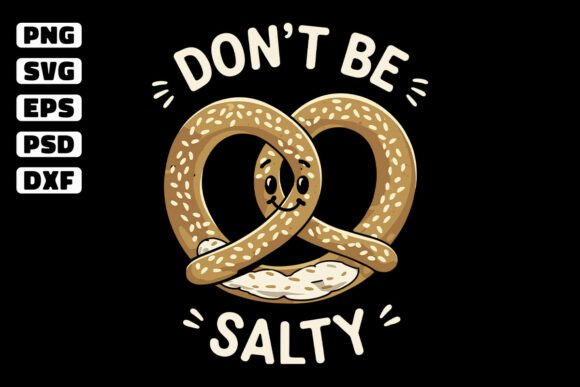
From the moment I opened the Don't Be Salty SVG file, I was struck by its clean, bold layout. The typography is modern and slightly edgy, which gives it a playful yet professional feel. It’s not overly complicated, which makes it ideal for a variety of embroidery styles, from simple running stitch to intricate satin and fill stitches. The design has a strong visual personality that works well on both light and dark fabrics, making it adaptable for different customer preferences.
The theme is clear: it’s meant to be fun, a bit sassy, and perfect for those who want to add a touch of humor or personality to their handmade products. It naturally fits into projects like t-shirts, tote bags, and aprons, where the message can be seen and appreciated without being too subtle.
Real-Life Embroidery Performance
I tested Don't Be Salty SVG on a few different materials and project types to see how it would hold up in real use. On a standard cotton t-shirt, it looked great with a medium stitch density, and the lettering remained sharp and legible. For a custom embroidered tote bag, I used a slightly denser stitch pattern to ensure the design stood out against the fabric texture. The result was a polished, professional-looking finished product that would work well for a small shop or Etsy listing.
On a sweatshirt, the design maintained its clarity even when stitched onto a thicker, heavier fabric. However, I noticed that on stretchy or textured materials, the stitching could sometimes appear slightly distorted, especially if the stabilizer wasn’t properly applied. This is something to keep in mind when working with more challenging fabrics.
For baby items, like a onesie or a blanket, the design was less appropriate due to its boldness and potential for being too loud for a delicate setting. But as a patch or applique design, it could still work well on a larger item, such as a baby carrier or a diaper bag.
Where to Use It Carefully
While Don't Be Salty SVG is versatile, there are some situations where it may not perform as well. If you're planning to use it on a small hoop size, you might need to adjust the design or split it into sections. The detailed corners and smaller text elements could become problematic if the hoop isn’t large enough to accommodate them cleanly.
On thin or stretchy fabrics, the design might require extra stabilizer to prevent puckering or distortion. Similarly, on dark fabrics, the thread color choice becomes critical—using a contrasting color like white or a bright pastel can make the design pop without looking garish.
For curved surfaces like caps or hoods, the design may need some tweaking to fit the shape properly. If you’re planning to use it on a layered garment, such as a hoodie with a lining, the placement of the design should be carefully considered to avoid visibility issues.
Impact on Visual Appeal and Customer Perception
One of the biggest advantages of Don't Be Salty SVG is its ability to enhance the visual appeal of any project it's used on. Whether it's a custom shirt for a chef, a personalized pillow cover, or a holiday gift, the design adds a unique and memorable element that stands out from generic options.
Stitching clarity is another key factor. When done correctly, the design maintains its sharp edges and readable text, which contributes to a higher perceived value of the finished product. Customers often associate quality craftsmanship with clear, well-executed embroidery, and this design supports that expectation.
For small business owners and Etsy sellers, having a design like this in your library can help build brand consistency. It’s also a great tool for creating printable mockups or digital product previews that showcase your work effectively.
Practical Designer Notes
Before using Don't Be Salty SVG in any project, I recommend testing it on scrap fabric first. This helps you understand how the stitches will look on your specific material and allows you to make adjustments if needed. Checking thread color contrast is also important—especially if you're using it on dark backgrounds.
Reviewing the stitch density is another step that shouldn’t be skipped. A design that’s too dense can cause fabric puckering, while one that’s too light may not hold up over time. Confirming the correct hoop size for your machine is essential, especially if you're working on a multi-part design.
Inspecting small details, like the corners of the letters, is crucial for ensuring the final product looks professional. Testing the design in black and white mockups can also help you visualize how it will appear on different fabric colors. Using the right stabilizer for each project type is another key factor in achieving consistent results.
If you're planning to sell finished items or digital products featuring Don't Be Salty SVG, always confirm the licensing terms before proceeding. This ensures you’re compliant and avoids any legal issues down the line.
Final Thoughts
Don't Be Salty SVG is a solid choice for embroidery designers and crafters looking for a versatile, eye-catching design that can be used across multiple project types. Its clean layout, bold typography, and adaptability make it a valuable addition to any design library. Whether you're creating custom apparel, small business merchandise, or personalized gifts, this design offers a balance of style and practicality.
With proper preparation and attention to detail, Don't Be Salty SVG can elevate your embroidery projects and help you stand out in a competitive market. Just remember to test it thoroughly and consider the specific needs of each project before committing to a final version.