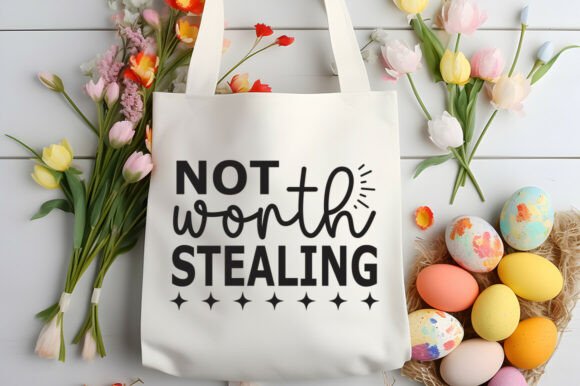
Not Worth Stealing SVG PNG
As an embroidery designer and product reviewer, I’ve evaluated countless machine embroidery designs, from simple monograms to intricate patterns. Not Worth Stealing SVG PNG is one that caught my attention—not because it’s groundbreaking, but because it raises questions about its practicality in real-world use.
The First Impression
When I first opened Not Worth Stealing SVG PNG, the design felt a bit underwhelming. The theme is straightforward—likely intended for a humorous or ironic statement. The layout is clean, with a central phrase that’s easy to read, but the overall visual personality lacks depth. It doesn’t scream creativity, which makes me wonder if it’s meant for a specific niche or a more minimalist aesthetic.
The shape and structure of the design are simple enough to work on a variety of items, but the lack of detail limits its versatility. If you’re looking for something that can be adapted into different styles or color schemes, this might not be the best choice. However, for a direct, no-frills design, it could work well for certain projects.
Real-Life Embroidery Use Cases
Let’s say I’m working on a custom embroidered tote bag for a client who wants a bold, eye-catching design. Not Worth Stealing SVG PNG could be a good fit, especially if the client prefers something understated yet meaningful. The design would look fine on a cotton tote, but I’d want to test it on different fabric textures to see how the stitches interact.
For sweatshirt embroidery, the design might be too small unless it’s scaled up. That said, if used as a patch, it could work well. I’d also consider how the design translates to smaller items like baby clothes or aprons. On thin or stretchy fabrics, the stitch density could cause puckering or distortion, so careful testing is essential.
When it comes to holiday or personalized gifts, Not Worth Stealing SVG PNG could be a fun addition to a gift basket or a unique item for a handmade shop. But I’d need to make sure the design is large enough to be visible and clear when stitched.
Where to Use With Caution
This design isn’t ideal for small hoop sizes. If you’re using a mini hoop, the design might not fit without cropping or resizing, which could affect the final look. Similarly, on textured fabrics or dark materials, the contrast between the thread and fabric might be less effective, making the design harder to see.
Thin or stretchy fabrics could pose challenges, especially if the design has dense areas. Without proper stabilizer, these parts might pucker or lose definition. For curved surfaces like caps or hats, the design may not lay flat, leading to uneven stitching or misalignment.
If the design includes tiny lettering or detailed corners, those elements might not come out cleanly. A running stitch or satin stitch could help, but it depends on the software and machine settings. I’d recommend testing the design on scrap fabric before committing to a finished product.
Impact on Visual Appeal and Customer Perception
Not Worth Stealing SVG PNG has a very specific vibe. It’s not the kind of design that will wow customers with its complexity, but it could work well for a brand that values simplicity and direct messaging. For an Etsy seller or small shop owner, this could be a good fit for a niche audience that appreciates humor or minimalism.
However, the design’s limited detail could affect the perceived value of the finished product. If a customer expects a high level of craftsmanship, this might not meet their expectations. That said, if the design is used in a clever way—like as a subtle accent on a larger piece—it could add character without overwhelming the overall look.
From a branding perspective, this design might not align with a professional or upscale image. It’s better suited for casual, fun, or personal projects rather than high-end commercial use.
Practical Designer Notes
Before using Not Worth Stealing SVG PNG in any project, I always recommend testing the design on scrap fabric. This helps identify potential issues with stitch density, fabric interaction, or visibility. Checking thread color contrast is also important—especially if the design will be used on dark or light backgrounds.
Reviewing the hoop size is another key step. If the design is too large for your machine’s hoop, you’ll need to adjust it or split it into sections. Inspecting small details like lettering or decorative elements can prevent surprises later on.
Testing the design in black and white mockups can help determine how it looks without color. Comparing it against different fabric backgrounds ensures it remains legible and visually appealing. Using the right stabilizer is crucial, especially on delicate or stretchy materials.
Finally, confirm whether the design is suitable for both personal and commercial use. While the product description mentions it’s compatible with Cricut and Silhouette, I’d advise checking the licensing terms before selling finished items or digital products.
Final Thoughts
Not Worth Stealing SVG PNG isn’t a bad design, but it’s not exceptional either. It’s a functional file that works best for simple, straightforward projects where clarity and ease of use are more important than artistic flair. For embroidery designers, small business owners, and crafters, this could be a useful addition to a collection of basic designs—but it’s not one that will stand out in a competitive market.
If you’re looking for something that can be quickly adapted into a variety of items, this design might be worth considering. Just be mindful of its limitations and test it thoroughly before using it in a finished product.