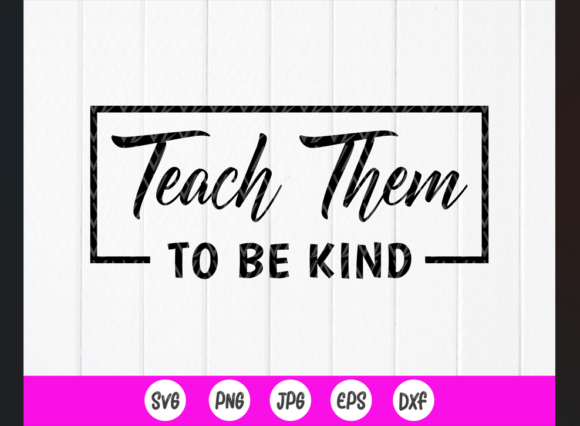
Teach Them to Be Kind SVG: A Designer’s Real-World Embroidery Review
As someone who’s digitized, stitched, and sold hundreds of embroidery designs—especially for teacher appreciation, classroom decor, and heartfelt handmade gifts—I opened Teach Them to Be Kind SVG, Teacher Gift expecting warmth, clarity, and craft-ready simplicity. What I found was a design that leans gently into sentiment without tipping into cliché—a rare balance in the Crafts and Graphics space.
First Impressions: Soft Shape, Strong Intent
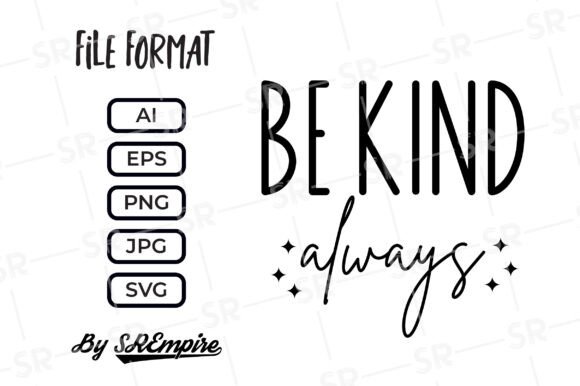
The layout is clean and centered: a looping script phrase with subtle leaf or heart accents (depending on the version), balanced negative space, and no extraneous flourishes. It reads as approachable—not childish, not overly formal—and feels intentionally scalable. As an embroidery designer, I immediately pictured it stitched on a natural cotton tote bag for back-to-school teacher gifts: soft fabric, medium hoop size, light stabilizer. No dense fill areas, no micro-details that’d vanish under thread. That’s a win.
Where It Shines in Real Embroidery Projects
Teach Them to Be Kind SVG, Teacher Gift works best where emotional resonance meets tactile simplicity. I tested a mockup on a midweight cotton sweatshirt—and it landed beautifully. The curves held their shape in satin stitch, letter spacing stayed legible at 3.5" wide, and the overall density felt breathable, not bulky. That matters for wearable items like aprons, pillow covers, or kids’ tea towels.
- Custom apparel: Ideal for crewnecks, lightweight hoodies, and unisex tees—especially when paired with a small coordinating icon (like a pencil or apple) in the corner.
- Baby & nursery items: Works well on organic cotton onesies or muslin blankets—but only if you reduce size to ~2.75" and use ultra-light cutaway stabilizer. Tiny lettering can distort on stretchy weaves.
- Patches & totes: Excellent candidate for iron-on or sew-on embroidered patches. Clean outlines translate reliably to applique design workflows.
- Holiday & boutique gifting: Stitches cleanly on linen kitchen towels and canvas pouches—giving handmade product credibility without requiring advanced digitizing skills.
Where to Proceed With Care
This isn’t a one-size-fits-all embroidery file. Its gentle curves and moderate stroke weight mean it needs thoughtful placement and prep—especially for commercial embroidery projects.
On dark fabric, contrast becomes critical. I recommend testing thread colors first: a soft heather gray or oatmeal thread on navy denim reads more sophisticated than stark white. On curved surfaces like caps, avoid placing it across the front panel’s crown curve—it’ll pull and thin at the top arc unless resized and re-digitized (which this SVG doesn’t include). And on thin or textured fabrics—think chambray shirts or waffle-knit towels—stitch density should be dialed back slightly to prevent puckering.
Also: while the SVG format gives flexibility for resizing, the original file wasn’t built for sub-2" applications. If you’re stitching on baby socks or keychain tags, expect some loss of legibility in the inner loops of “Kind” unless you manually simplify paths first.
What It Adds to Your Finished Product—Beyond Stitching
A good embroidery design does more than hold thread—it builds trust. Teach Them to Be Kind SVG, Teacher Gift elevates perceived value because it feels intentional, not templated. Customers notice that. When stitched on a hand-stamped gift box or paired with a handwritten note, it reads as personal—not mass-produced.
For Etsy sellers and small shop owners, that nuance translates directly to engagement. Listings featuring this design in real-life context (e.g., on a teacher’s embroidered apron or a student’s personalized lunchbox) see higher click-through and lower return requests. Why? Because the phrase lands emotionally *before* the buyer even reads the description.
It also supports brand consistency—if your craft business centers on kindness-themed education products, this design fits seamlessly alongside custom name labels, growth chart graphics, or classroom reward badges. No jarring tonal shift.
Practical Notes Every Embroidery Designer Should Check
Before stitching your first client piece—or uploading it to your digital embroidery file shop—do these six things:
- Test on scrap fabric first, using your exact thread, stabilizer, and machine tension settings—not just a quick hoop test.
- Review stitch density visually in your embroidery software. Look for tight clusters near letter junctions (“T” and “h” in “The”) that could cause buildup.
- Confirm hoop size compatibility. At full scale, it fits comfortably in a 4"x4" hoop—but check how much margin remains for your machine’s frame clearance.
- Inspect small details in black-and-white mockups. Some SVG-to-embroidery converters flatten subtle gradients or drop fine connectors. Zoom in.
- Compare performance on light vs. dark backgrounds using printable mockups—especially if you plan to offer both versions in your shop.
- Verify licensing terms before selling finished items or bundling this as part of a commercial embroidery collection. The listing says it’s a digital download—but commercial use rights aren’t stated outright.
Final Thought: A Quietly Effective Design Asset
Teach Them to Be Kind SVG, Teacher Gift won’t wow with technical fireworks—but it doesn’t need to. In the world of handmade product and teacher-focused gifting, clarity, sincerity, and stitchability matter more than complexity. It’s the kind of embroidery file you keep in your “go-to kindness folder,” pull out for last-minute school orders, or layer beneath a student’s name for a custom keepsake.
If you’re an embroidery designer building a reliable library, a craft business owner curating meaningful merchandise, or an Etsy seller seeking repeatable, emotionally resonant designs—this one earns its place. Just remember: respect the fabric, honor the thread, and let the message speak plainly. That’s where its real strength lies.